
The area is compact and busy, with a different rhythm than the larger business districts.
The section should talk about transit access, restaurants, and the tighter street pattern.
Chinatown is the compact downtown.
Premier Philadelphia exhibit planning for convention halls, hotel programs, and regional show calendars.
Request a consultationLocal Markets
Chinatown should read like the dense downtown neighborhood where restaurants, transit, and a tighter street pattern shape the visit.
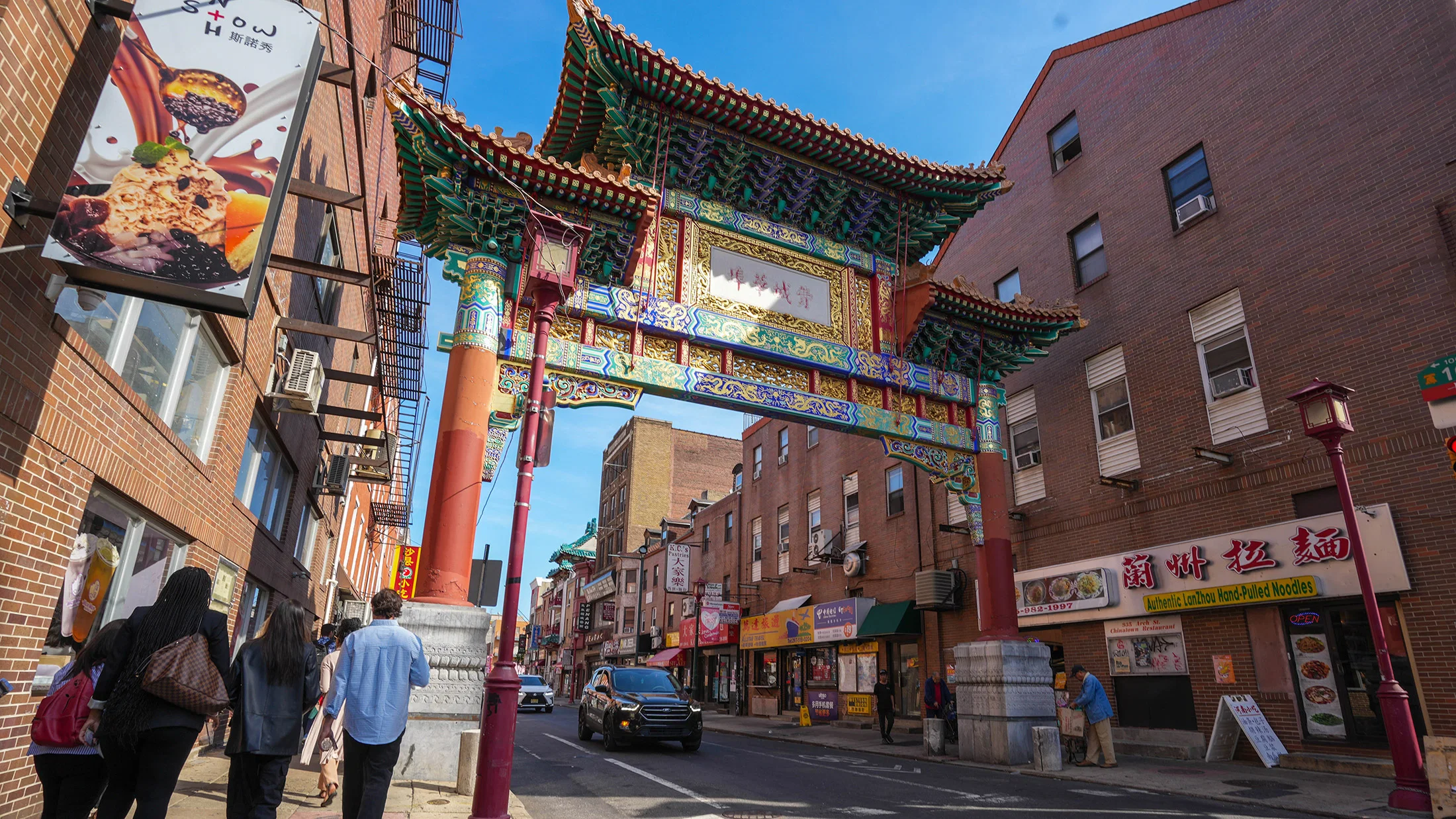
The area is compact and busy, with a different rhythm than the larger business districts.
The section should talk about transit access, restaurants, and the tighter street pattern.
Chinatown is the compact downtown.
Chinatown is part of the Philadelphia event market. Shows and meetings book here alongside the larger Philadelphia calendar.
Chinatown sits in the Convention Center District area.
Production for the chinatown shows starts with the same brief we run for the rest of Philadelphia: venue specifics, show dates, footprint, outcome. Freight paths and local vendor availability are the variables that shift from the city core.
Trade show weeks in Philadelphia compress decisions.
it has more than 2 million square feet of space, 679,000 square feet of exhibit space, 528,000 square feet contiguous, and 82 meeting rooms.
Kimmel Center for the Performing Arts.
Kimmel Center for the Performing Arts suits keynotes, awards programs, annual meetings, culture forward receptions.
Philadelphia Museum of Art is one of the anchors. Maximum capacity of 1,200 with onsite AV and parking.
Pennsylvania Academy of the Fine Arts: the venue is steps from the convention center, City Hall, and nearby hotels.
Labor in Philadelphia runs venue-by-venue, not citywide.
University City Science Center — Its staff will help bring the event vision to life, which supports managed planning language for University City meetings and innovation events.
Practical planning rules for the chinatown in Philadelphia: Hotels, museums, casinos, and suburban venues around Philadelphia typically route catering, AV, and event support through venue teams or approved partners. Early venue review matters in Philadelphia because docks, POV unloading, rigging, internet, lighting, package handling, and offsite production rules can change from one property to the next.
a bad one has many, because they weren't.
Out of scope by default are show organizer fees, booth lease costs paid directly to the show, staff travel and per diems, and any custom software or data-capture tooling the client runs on its own stack. Those stay on the client side and plug into the project through coordination, not rebilling.
After the brief, the work turns to the building itself.
With venue details locked, production runs.
One named show-site lead runs the install.
Throughout show hours, the on-site lead stays present.
Every project has the same cost drivers.
Rental programs run on 8 to 12.
Exhibitors who measure programs seriously track leads, floor-booked meetings, and post-show pipeline. The build and the install are upstream inputs to those KPIs.
The post-show debrief is where the numbers get connected back to the physical booth. Which demo station drew traffic, which meeting area closed more conversations, which graphic zone attracted dwell time — that feedback shapes the next build rather than getting lost.
Working with a Philadelphia-based shop matters most when something goes wrong on-site. Solutions live within driving distance instead of on another coast.
Over a multi-show calendar, the compound value of a single team shows up in fewer surprises. The second install is faster than the first, the third is faster than the second, and by the fourth the project runs on memory and documentation rather than first-principles planning.
Yes.
It runs venue by venue. Live! Casino & Hotel Philadelphia: Live!
Custom builds run best with 16 to 20 weeks of lead time. Rentals take 8 to 12 weeks.
The show, the venue, the booth number, the dates, and a target budget range. From those, an initial scope and a realistic cost come back within a few days.
One named show-site lead runs the install, the show hours, and the strike. That person carries the floor plan and the punch list from crates to doors and reports up once a day.
Same structure, swappable graphics, standard crates.
The on-site lead handles it.