The market starts in Center City and spreads into the convention district, hotel blocks, the waterfront, and the western suburbs, so venue choice always changes the working plan.
About us
Project-led trade show execution for Philadelphia and the wider metro
Trade Show Services of Philadelphia coordinates booth strategy, fabrication, labor, graphics, AV, logistics, and show-site supervision for exhibitors, sponsors, associations, and event teams working across Philadelphia and the surrounding corridor.
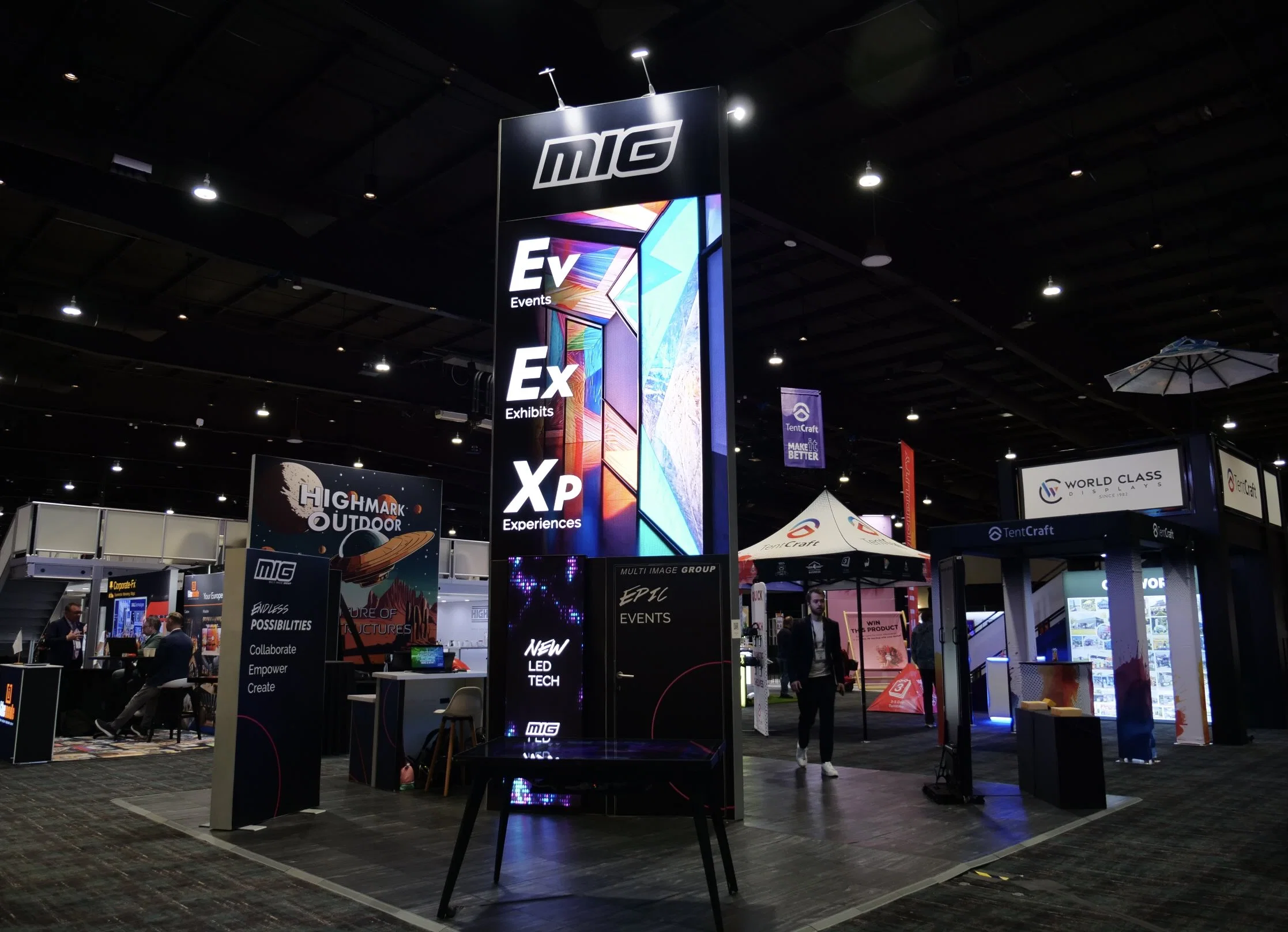
Trade Show Services of Philadelphia is built around the practical work that decides whether an exhibit program feels controlled once the room opens. That means venue approvals, labor windows, material handling, graphics production, power planning, staffing, and final closeout all stay connected instead of drifting between separate vendors.
Philadelphia rewards that kind of discipline because the venue conditions change quickly between the convention center district, Center City hotels, University City venues, South Philadelphia facilities, and the suburban expo market. The same brand can face very different loading patterns, dock procedures, and attendee movement from one stop to the next.
The strongest exhibit programs begin with the room and the deadline. Once the venue, date, booth goals, and technical needs are visible, it becomes much easier to decide how much fabrication is warranted, where rental structure makes sense, what labor should be reserved, and how the freight path should be protected.
That matters for buyers comparing custom booths, modular systems, rental programs, and support-heavy service scopes. The right answer is usually the one that fits the venue, the audience, and the show-week pressure instead of the one that sounds largest in a proposal.
Good event support also means planning for what happens after the audience leaves. Storage, reuse, outbound paperwork, strike timing, and asset recovery have to be considered early if the program is meant to repeat across multiple shows or multiple venues in the region.
The result should be visible in the final event outcome: cleaner installs, fewer surprises at the dock, stronger show-site control, and a booth environment that supports meetings, demos, lead capture, and executive conversations without sacrificing schedule discipline.
Related planning topics
Keep the work tied to the room, the calendar, and the finish level.
Operational focus
Market intelligence is only useful if it changes the actual project plan.
The venue mix covers convention centers, conference hotels, museums, casino properties, waterfront spaces, and suburban expo facilities that all show up in Philadelphia event planning.
The service area follows the city into the convention core, the Parkway corridor, the waterfront, University City, South Philadelphia, River Wards, and the suburban spillover zones that actually shape event logistics.
Venue rules, organizer instructions, and property-specific service models decide the labor plan; the site keeps the public claim carefully tied to those documented conditions.