The section should feel anchored to the running order of the conference instead of a vague events description.
Conference work is about agenda discipline and the confidence the audience gets from it.
The schedule is the story.
Premier Philadelphia exhibit planning for convention halls, hotel programs, and regional show calendars.
Request a consultationEvent Formats
Conference services in Philadelphia should read like a speaker schedule, a check-in desk, and a room that stays on time.
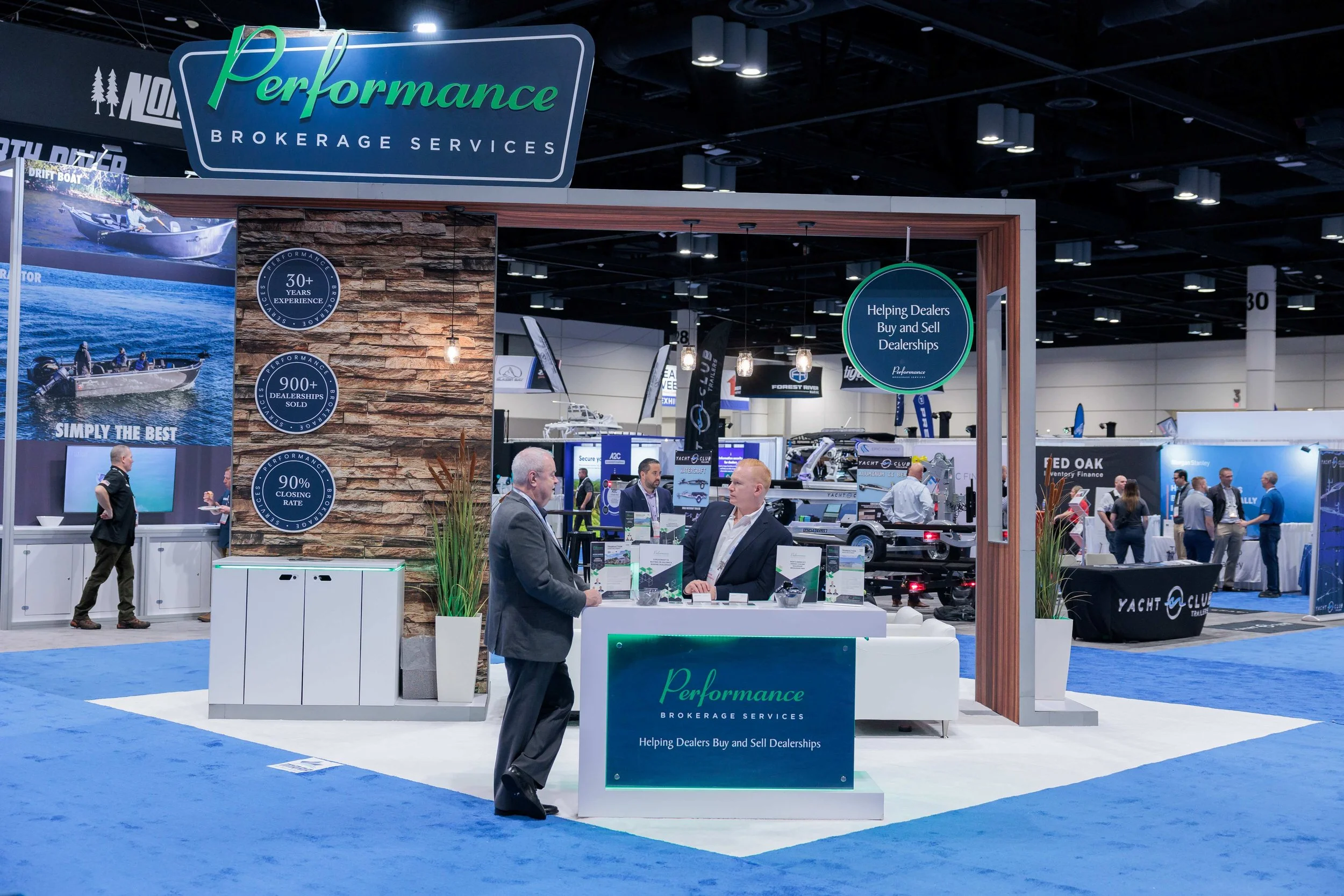
The section should feel anchored to the running order of the conference instead of a vague events description.
Conference work is about agenda discipline and the confidence the audience gets from it.
The schedule is the story.
Philadelphia is a working trade show market.
Center City Conventions and Citywide Meetings is one of the sectors that shapes the Philadelphia calendar. The Pennsylvania Convention Center gives Philadelphia a true large-floor trade show and convention anchor with walkable hotel support.
the plan has to match the specific building.
One North Broad at the Masonic Temple.
The Grand Ballroom seats 250 for dinner and can host 450 guests for receptions when combined with the Grand Foyer.
One North Broad at the Masonic Temple suits historic receptions, private dinners, board meetings, gala support.
All About Events at Reading Terminal Market: the Reading Terminal Market event program sits across the street from the Pennsylvania Convention Center and Philadelphia Marriott Downtown.
The Inn at Penn, a Hilton Hotel is one of the anchors.
Pennsylvania Convention Center: the center's training partnership materials identify labor partners including Laborers Local 332, IATSE Local 8, IBEW Local 98, and Iron Workers Local 405.
Practical planning rules for Conference Services in Philadelphia: Philadelphia venue requirements vary by facility, organizer, and event format. At the Pennsylvania Convention Center, exhibitors should expect published work rules, venue-run exhibitor services, and exclusive rigging requirements.
The Western Suburban Expo Corridor area runs through Bala Cynwyd, Conshohocken, Plymouth Meeting, Fort Washington. Primary overflow and suburban meetings zone for expo work, regional conferences, and buyer programs that do not need a Center City room block.
River Wards and Northern Fringe runs across Fishtown, Northern Liberties. Entertainment and waterfront zone led by the Fillmore and Rivers Casino for launch events, receptions, and social-heavy programs.
For programs that repeat, asset management becomes part of the engagement — storage, graphic rotation, refurbishment, and re-crating are planned rather than one-off.
Scope boundary is as important as scope inclusion.
Venue coordination comes next.
Install days are owned by a single on-site lead.
During show hours, the booth is a live operating space.
That document drives the next booking.
Cost scales with how it is built, how big it is, what the venue charges for its own services, what the graphics look like, how far the crates travel, and how many days the team stays on-site.
Lead time drives everything. Custom: 16 to 20 weeks. Rental: 8 to 12.
Trade show ROI is measured at the lead and pipeline level.
A week after the show, the booth's actual floor performance is already clearer than any pre-show projection. We document those observations alongside the technical closeout so the next cycle inherits real signal, not nostalgia.
Trade Show Services of Philadelphia keeps the work local.
The difference from a national vendor shows up at the dock.
Yes.
It runs venue by venue.
Custom builds run best with 16 to 20 weeks of lead time. Rentals take 8 to 12 weeks.
The show, the venue, the booth number, the dates, and a target budget range. From those, an initial scope and a realistic cost come back within a few days.
One named show-site lead runs the install, the show hours, and the strike. That person carries the floor plan and the punch list from crates to doors and reports up once a day.
Same structure, swappable graphics, standard crates.
The on-site lead handles it.